 25 Sep, 2026
Busy days can leave people tired and stressed. They can also make healthy habits hard to keep. Quick fixes often focus on one problem and miss other needs. A holistic approach looks at the whole person and daily life.
It connects movement, food, stress, recovery, and healthy habits. This approach can help people build better routines while supporting personal health goals and everyday needs.
7 Ways a Holistic Approach Can Support Your Well-Being
A holistic plan can cover several parts of daily health. Each area can play a different role. Together, these services can support wellness. They can also give a wider view of health and personal goals.
Chiropractic Care
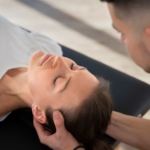
Chiropractic care can support healthy movement, spinal function, and daily comfort. Care may include adjustments, posture support, mobility work, and recovery exercises. A personal plan can also address movement patterns linked with pain or body strain.
Natural Medicine
Natural medicine focuses on whole-body support instead of one symptom. Plans may include dietary guidance, supplements, herbal support, and lifestyle changes. These steps can help connect daily habits with health goals and your needs.
Detoxification Programs
Detoxification programs can fit into a wider wellness routine when they suit your needs. Services may include HOCATT sessions, ionic foot baths, and nutrition guidance. These options may support rest, recovery, and healthy life habits.
Stress Reduction
Stress reduction matters because ongoing stress can affect sleep, energy, focus, and daily life. Wellness plans may use calming tools, biofeedback, BrainTap technology, or calming habits. These options can support balance and recovery during busy days.
Nutritional Testing
Nutritional testing can help guide personal food and supplement choices. Electrodermal Screening looks at responses linked with nutrition support and body stress patterns. Results may help shape plans that fit your needs instead of using broad advice.
Holistic Weight Loss
Holistic weight loss looks beyond food intake and daily calorie choices. It also considers movement, stress, sleep, habits, and other wellness factors. A personal plan can support steady changes that fit everyday routines and health goals.
Allergy Relief
Allergy relief may start with looking at possible triggers and body responses. Food sensitivity testing can assess responses to many foods, drinks, and spices. This information may help guide food choices and support a wider wellness plan.
What Should You Know Before Starting a Holistic Wellness Program?
Before starting, review your goals and daily habits. Think about your needs, too. Then consider how wellness care may work together.
Start With Clear Goals
Start by choosing what you want to improve, such as sleep, energy, movement, stress, or nutrition. Clear goals make progress easier to track. They also help you discuss care options with a qualified healthcare professional.
Expect Personalized Care
A holistic wellness program may look different for each person because health needs can vary. Providers may review symptoms, habits, goals, and health history. This review can help guide useful services and lifestyle changes.
Look at Your Daily Habits
Small habits can shape how you feel each day. Check your sleep, meals, movement, water intake, stress, and recovery time. Simple changes can support your health alongside healthcare services.
Ask How Services Fit Together
Different services may support different parts of wellness and health goals. Ask how chiropractic care, nutrition support, stress tools, or recovery therapies may fit your plan. A clear plan can help avoid extra or repeated steps.
Understand Testing Before Using Results
Ask what a test measures, what the results mean, and how they may affect your plan. These questions can help you understand testing limits. They can also help you avoid major health changes without proper guidance.
Keep Food Choices Practical
Nutrition plans work better when they match real schedules and food preferences. Focus on balanced meals, useful routines, and changes you can keep. Avoid sudden or restrictive changes without guidance from a qualified professional.
Make Stress Care Part of the Plan
Stress can affect sleep, focus, routines, and recovery, so it deserves attention. Simple steps like breaks, breathing exercises, and movement can support a calmer daily life. These habits can fit wider wellness plans over time.
Review Progress Over Time
Wellness rarely changes because of one appointment or one habit. Track how you feel and how your routines work. Regular reviews can help adjust goals, services, and daily habits as your needs change.
Think About the Full Picture
A wellness plan should fit your needs and daily life. One service may help with movement. Another may support nutrition or stress. Looking at these areas together can make the plan easier to understand.
Good health steps also need a clear reason. Ask questions before adding new services or tests. Ask before making major diet changes, too. Understanding each step can help you choose options that feel useful, realistic, and safe.
Nutritional testing may provide information that helps guide food choices. Testing results should not replace medical review when symptoms need attention. The same idea applies to stress tools and wellness care. Use these options as part of a thoughtful plan.
Area Main Focus Possible Wellness Support
Chiropractic care Movement and spinal function Adjustments, mobility, posture support
Natural medicine Whole-body support Nutrition, supplements, lifestyle guidance
Detoxification programs Wellness and recovery routines HOCATT, ionic foot bath, guidance
Stress reduction Relaxation and balance Biofeedback, BrainTap, calming habits
Nutritional testing Personalized nutrition support EDS-based testing and guidance
Holistic weight loss Sustainable health habits Nutrition, movement, lifestyle support
Allergy relief Identifying possible triggers Food sensitivity testing and guidance
Key Takeaways
● Whole-body wellness connects movement, nutrition, stress, recovery, and healthy daily habits.
● Personalized care can help match wellness support closely to your individual needs.
● Chiropractic care may support mobility, posture, and healthy spinal function each day.
● Nutritional testing can guide more focused food and supplement choices for wellness.
● Stress reduction can support sleep, focus, energy, and daily recovery routines.
● Healthy habits can make wellness plans easier to maintain over time.
● Professional guidance can support informed choices about different wellness care options.
A Holistic Path to Better Well-Being
Overall wellness involves more than one habit or health goal. A holistic approach can connect movement, nutrition, stress care, recovery, and lifestyle choices. The Arne Clinic offers whole-body wellness care in Minnetonka, Minnesota.
Before starting a program, discuss your goals, health history, and concerns with a qualified healthcare expert. A thoughtful plan can help you choose practical steps. Those steps should fit your needs, routines, and goals.